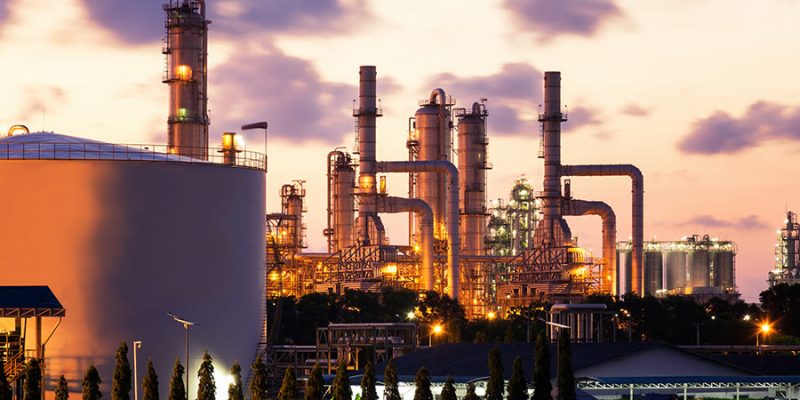
Industry

Industries in Transition: Charting the Future of Global Production and Progress

Introduction: The Backbone of Civilisation

From the soot-laden factories of the Industrial Revolution to today’s digitised, automated production lines, industry has been the bedrock of modern civilisation. It transforms raw materials into products that fuel economies, improve living standards, and shape cultures. Whether it is textiles, automobiles, pharmaceuticals, or semiconductors, every facet of daily life is touched by industry’s expansive reach.

Yet, the concept of industry is no static monolith. It is a living, breathing network of processes, people, and innovations, constantly evolving in response to technological advances, consumer expectations, and societal needs. In our time, the industrial landscape is undergoing one of its most profound shifts since the 19th century — an era defined by digital integration, sustainability imperatives, and unprecedented global connectivity.

The Historical Arc: From Steam Engines to Smart Factories

To understand where industry stands today, it is worth tracing its origins. The late 18th century ushered in the Industrial Revolution, a seismic moment when human and animal power gave way to steam engines and mechanised production. Mills and factories sprouted in England and spread rapidly across Europe and North America. These industrial centres gave rise to urbanisation, mass employment, and a newfound middle class.

The 20th century brought further revolutions: the assembly line, electrification, and later, the advent of computerisation. Each wave of innovation increased productivity exponentially and enabled the global flow of goods on a scale unimaginable to our ancestors.

Today, we stand on the brink of what is often called the Fourth Industrial Revolution — Industry 4.0 — where intelligent systems, data analytics, and automation redefine how goods are designed, manufactured, and distributed.

The Pillars of Modern Industry

While industries vary in scope and scale, several core elements form their foundation:

1. Raw Materials and Resources
Industries depend on raw inputs — whether mined, harvested, or synthetically produced. Securing stable, ethical, and sustainable sources is now a key competitive and reputational concern.

2. Labour and Talent
Machines may be ubiquitous, but skilled people remain indispensable. Engineers, technicians, designers, and operators form the backbone of every industrial endeavour.

3. Technology and Innovation
Advanced machinery, robotics, artificial intelligence, and data-driven processes push industries to new frontiers of efficiency and customisation.

4. Infrastructure and Logistics
Ports, roads, railways, and digital networks ensure that inputs reach factories and finished goods reach consumers across continents.

5. Regulatory and Environmental Frameworks
Governments and international bodies increasingly demand that industries balance productivity with environmental stewardship and ethical labour practices.

The Age of Smart Industry

Industry 4.0 encapsulates the fusion of physical production with digital technologies. Factories today are embedded with sensors and IoT devices that enable real-time monitoring of every stage of production. Robotics automate repetitive tasks while human workers handle complex problem-solving and oversight.

Key hallmarks of the smart industry include:

  • Predictive Maintenance: Machines equipped with sensors can predict breakdowns before they occur, saving time and resources.

  • Customisation at Scale: Flexible production lines adapt quickly to customer preferences, enabling mass customisation without sacrificing efficiency.

  • Data-Driven Decision Making: Big data analytics identify inefficiencies, optimise supply chains, and drive innovation.

This smart, interconnected ecosystem not only boosts productivity but reshapes workforce demands, requiring upskilling and lifelong learning for workers to remain relevant.

The Sustainability Imperative

One of the most pressing challenges facing industries today is their environmental footprint. From greenhouse gas emissions to water consumption and waste generation, industrial processes are major contributors to global ecological concerns.

Forward-thinking industries are responding with bold measures:

  • Renewable Energy Adoption: Manufacturing plants increasingly harness wind, solar, and hydroelectric power.

  • Circular Economy Models: Companies design products with recyclability and minimal waste in mind.

  • Green Materials: Alternatives to plastics and other environmentally harmful materials are being developed and adopted.

  • Transparency and Reporting: Sustainability reporting and carbon accounting have become standard expectations for responsible industries.

These shifts are not mere altruism; they are often demanded by consumers, investors, and governments alike. Industries that fail to adapt risk reputational damage, financial penalties, and obsolescence in an increasingly conscious marketplace.

The Human Dimension: Workforce of the Future

As industries transform, so too must their workforce. Automation has eliminated certain manual roles but created demand for highly skilled workers who can program, maintain, and collaborate with intelligent machines.

This evolving dynamic requires:

  • Upskilling and Reskilling: Vocational training and partnerships between industries and educational institutions.

  • Workplace Safety and Well-being: Ensuring human workers remain safe amid advanced machinery and complex processes.

  • Diversity and Inclusion: Drawing talent from all demographics to drive innovation and resilience.

Industries that invest in people as much as processes stand poised to lead in an increasingly competitive environment.

Challenges and Opportunities

No exploration of industry would be complete without acknowledging the inherent challenges that come with progress. Supply chain vulnerabilities, highlighted starkly by the COVID-19 pandemic, have forced industries to rethink global dependencies. Geopolitical tensions can disrupt trade flows and access to critical resources. Rapid technological change means that companies must constantly innovate or risk being left behind.

Yet within these challenges lie immense opportunities. Green technologies, sustainable manufacturing, and digital transformation open new markets and redefine traditional sectors. For example:

  • Electric Vehicles (EVs): The automotive industry is reinventing itself around sustainability and smart mobility.

  • Biotechnology and Pharmaceuticals: Life sciences industries are harnessing cutting-edge research to create novel treatments and improve global health.

  • Additive Manufacturing: 3D printing allows for hyper-local production, reducing transportation costs and carbon footprints.

Conclusion: Industry at a Crossroads

As we look ahead, it is clear that industry will continue to be a vital force driving economic prosperity and technological progress. But the blueprint for industrial success has changed. It now demands a balance of innovation, sustainability, resilience, and human-centred design.

Industries that embrace digital tools, invest in green practices, and nurture skilled, diverse workforces will not only survive but thrive in a world that demands both performance and responsibility.

The story of industry is, at its heart, a story of human endeavour — a testament to our unceasing drive to improve, adapt, and build. In this era of profound transition, the next chapter promises to be as transformative as any that came before it, shaping not just economies, but the very future of life on our planet.

What is your reaction?

Excited
0
Happy
0
In Love
0
Not Sure
0
Silly
0

You may also like

More in:Industry