 By Jabari Zion
The decision to integrate high-pressure gear pumps or flow dividers into a hydraulic system often comes down to a fundamental choice between precise power transmission and exact volumetric distribution. Whether you are designing a new industrial assembly, upgrading existing infrastructure, or addressing recurrent inefficiencies in fluid control, understanding how these components function is essential for long-term operational success.
Understanding the Role of High-Pressure Gear Pumps
At their simplest, high-pressure gear pumps serve as the engine of a hydraulic circuit. They function by trapping fluid between the teeth of two meshing gears and the walls of the pump housing, forcing it from the inlet to the outlet. In demanding industrial environments, the ability of these pumps to maintain a steady output regardless of fluctuations in load makes them a common choice for heavy-duty applications.
When evaluating a pump for a specific requirement, the internal clearances are a primary consideration. A pump that maintains tight internal tolerances can often achieve higher efficiency at elevated pressures. However, because these components operate with metal-to-metal proximity, they are inherently sensitive to fluid contamination. Fine particles that might pass through other systems can lead to premature wear or scoring in gear sets, which may cause a gradual decline in volumetric efficiency. Careful filtration strategies are often necessary to protect the internal components and ensure the equipment performs as expected over its intended lifespan.
The Utility of Flow Dividers in Multi-Actuator Systems
While a pump provides the flow, a flow dividers component manages how that flow is partitioned. In systems where a single pump needs to power multiple actuators—such as cylinders or motors—simultaneously and with high levels of synchronization, these devices act as an essential balancing mechanism.
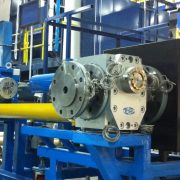
By splitting a single input flow into two or more controlled, proportionate streams, they allow a designer to achieve consistent movement across different parts of a machine. This is particularly valuable when two hydraulic cylinders must extend at the same rate, even if one experiences more resistance than the other. Without this kind of regulation, fluid will naturally follow the path of least resistance, causing erratic operation or misalignment. The mechanical design of these dividers, often featuring independent gear sets linked by a common shaft, ensures that the split remains accurate even under varying pressure conditions.
Factors Influencing System Performance and Component Longevity
Selecting the appropriate equipment for a specific task involves weighing several interrelated factors. The viscosity of the fluid, the operating temperature range, and the required pressure levels all dictate the type of gear profile and material composition that will be most effective.
One common consideration is the trade-off between speed and torque. High-speed operation may be suitable for certain processes but can lead to cavitation if the inlet conditions are not managed correctly. Similarly, maintaining a steady temperature is critical. If the fluid becomes too thin due to excessive heat, internal leakage within the pump or divider can increase, which directly impacts the output accuracy and total energy consumption of the system.
Practitioners often look at the following elements when diagnosing performance issues:
- Fluid Condition: Is the filtration level adequate for the tolerances of the pump or divider?
- Thermal Management: Are there cooling mechanisms in place to keep fluid viscosity within the optimal operating range?
- Seal Integrity: Is there evidence of external leakage or internal bypassing that suggests a decline in seal health?
- Load Balancing: Are the pressure requirements on each branch of a flow-divided circuit within the design capacity of the unit?
By monitoring these variables, maintenance teams can often anticipate mechanical fatigue before it results in a system stoppage.
Aligning Equipment Choices with Operational Needs
The most reliable industrial systems are those where the components are matched to the actual demands of the environment. For operators and engineers, the process of choosing the right hardware should start with a clear assessment of the duty cycle. A system that runs intermittently will have different requirements for heat dissipation and wear resistance than one that operates under continuous load.
When speaking with suppliers or integrators, consider asking how a specific pump or divider handles pressure spikes and what maintenance routines are suggested to preserve the internal gear interfaces. Understanding whether a unit is designed for simple, steady-state applications or if it is built to accommodate the dynamic fluctuations of a complex, multi-actuator machine can prevent common pitfalls.
Furthermore, ensure that the chosen components are accessible for routine inspection. The ability to easily check for vibration, unusual noise, or signs of overheating allows for proactive adjustments. In many cases, adding a simple pressure gauge or flow meter at key points in the circuit can provide the data needed to keep the system balanced and efficient.
Ultimately, both high-pressure gear pumps and flow dividers are tools designed for stability and control. When they are integrated thoughtfully—with attention to filtration, fluid properties, and system-wide design—they can provide a level of operational consistency that is vital for long-term productivity. Empowering your team with a deep understanding of these components helps move the focus from reactive repairs toward a more strategic, reliable approach to hydraulic management.