Productions

Orchestrating the Modern World: The Evolving Landscape of Productions

Introduction: Beyond the Factory Floor

When people hear the word productions, they often picture humming assembly lines, robotic arms welding car parts, or bustling film sets under glaring lights. Yet the scope of modern productions extends far beyond the factory floor or movie studio. Production, in its essence, is the heartbeat of progress—the carefully choreographed transformation of ideas into tangible outcomes, whether they are cars, software, works of art, or live performances.

In the twenty-first century, the concept of productions has evolved to encompass an extraordinary range of sectors, disciplines, and technologies. From automated smart factories to independent digital content creation, today’s productions reflect a world that demands not just efficiency, but agility, sustainability, and meaning. To understand how societies shape, distribute, and enjoy the fruits of human ingenuity, one must first grasp how productions adapt to shifting consumer desires and global realities.

A Brief History: From Workshop to Global Stage

Productions have always mirrored the state of civilisation itself. In medieval times, craftsmen in small guilds hand-crafted goods in workshops, passing skills from master to apprentice. The Industrial Revolution in the eighteenth and nineteenth centuries replaced the intimacy of the guild with the brute force of mechanised factories. Production lines brought unimaginable scale and consistency but also introduced challenges—labour disputes, pollution, and social upheaval.

The twentieth century witnessed a series of transformations. Mass production became synonymous with prosperity, fuelling the rise of household brands and consumer culture. Hollywood and major recording studios set the template for entertainment production, turning creative output into industrial-scale operations.

Today, the digital age has turned that old model on its head. Productions are no longer confined to factories or studios. A single entrepreneur with a laptop can launch a product line, produce a film, or publish music that reaches millions, all while navigating global supply chains and audiences.

Core Pillars of Successful Productions

No matter the industry or scale, productions succeed when they balance three timeless ingredients: quality, efficiency, and adaptability.

1. Planning and Design

Behind every successful production lies meticulous planning. Producers, engineers, designers, or directors map out each step, aligning resources, timelines, and talent. In manufacturing, this means precise schematics and supply chain coordination. In creative industries, it means storyboarding, scripting, and budgeting.

2. Execution and Quality Control

Production demands discipline and consistency. Whether assembling electronics or staging a Broadway show, every element must meet high standards. Quality control—through inspections, testing, or rehearsals—ensures the final product matches the original vision.

3. Distribution and Feedback

A product’s journey does not end when it leaves the production line or stage. Logistics, marketing, and audience engagement feed back into the next cycle. Successful producers stay attuned to consumer feedback and shifting trends, refining processes continuously.

The Rise of Smart Productions

Perhaps the most profound change in modern productions is the role of technology. Smart productions harness digital tools, data analytics, and automation to streamline workflows and reduce waste.

Key features of smart productions include:

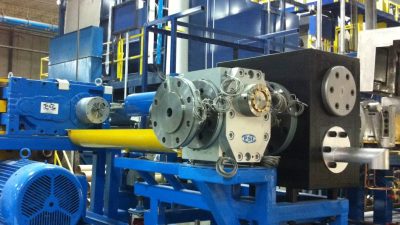
  • Automation: Robotics handle repetitive or dangerous tasks with precision.

  • Internet of Things (IoT): Connected devices monitor performance in real-time, predicting faults before they happen.

  • Artificial Intelligence: AI analyses massive data sets to optimise production schedules and supply chains.

  • Additive Manufacturing: 3D printing allows for rapid prototyping and customised goods with minimal waste.

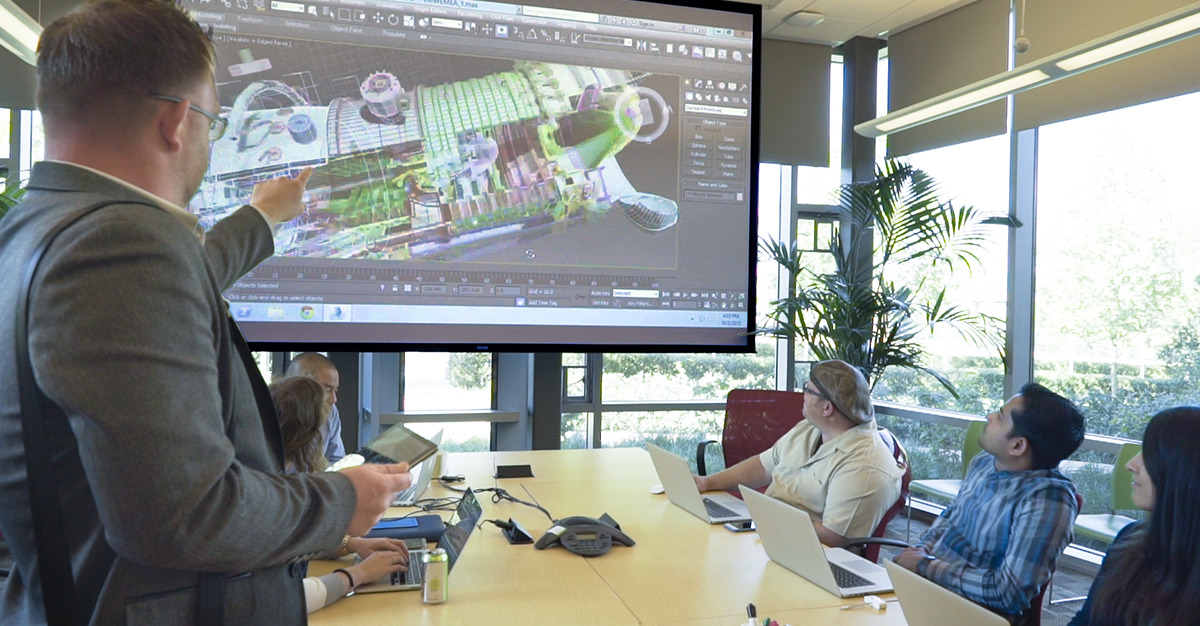
In the entertainment world, similar advances are transforming how productions are conceived and delivered. Virtual sets, digital editing suites, and streaming platforms have democratised content creation and distribution.

Sustainability: A New Standard

No discussion of modern productions is complete without addressing sustainability. Traditional production methods often prioritised output above all else, sometimes at the expense of the environment. Today, rising awareness and regulatory frameworks demand a more responsible approach.

Sustainable productions focus on:

  • Resource Efficiency: Using renewable energy, recycling materials, and minimising waste.

  • Circular Models: Designing products for reuse, repair, or recycling rather than disposal.

  • Transparency: Auditing supply chains to ensure ethical sourcing and fair labour practices.

Entertainment productions too are becoming greener—film sets increasingly adopt zero-waste policies, and digital releases cut down on the environmental footprint of physical media.

The Human Factor: Talent and Collaboration

While machines handle routine tasks with mechanical perfection, the human touch remains irreplaceable. Productions thrive on collaboration, creativity, and problem-solving.

Critical human elements include:

  • Skilled Workforce: Engineers, designers, directors, technicians, and craftspeople each bring specialised knowledge.

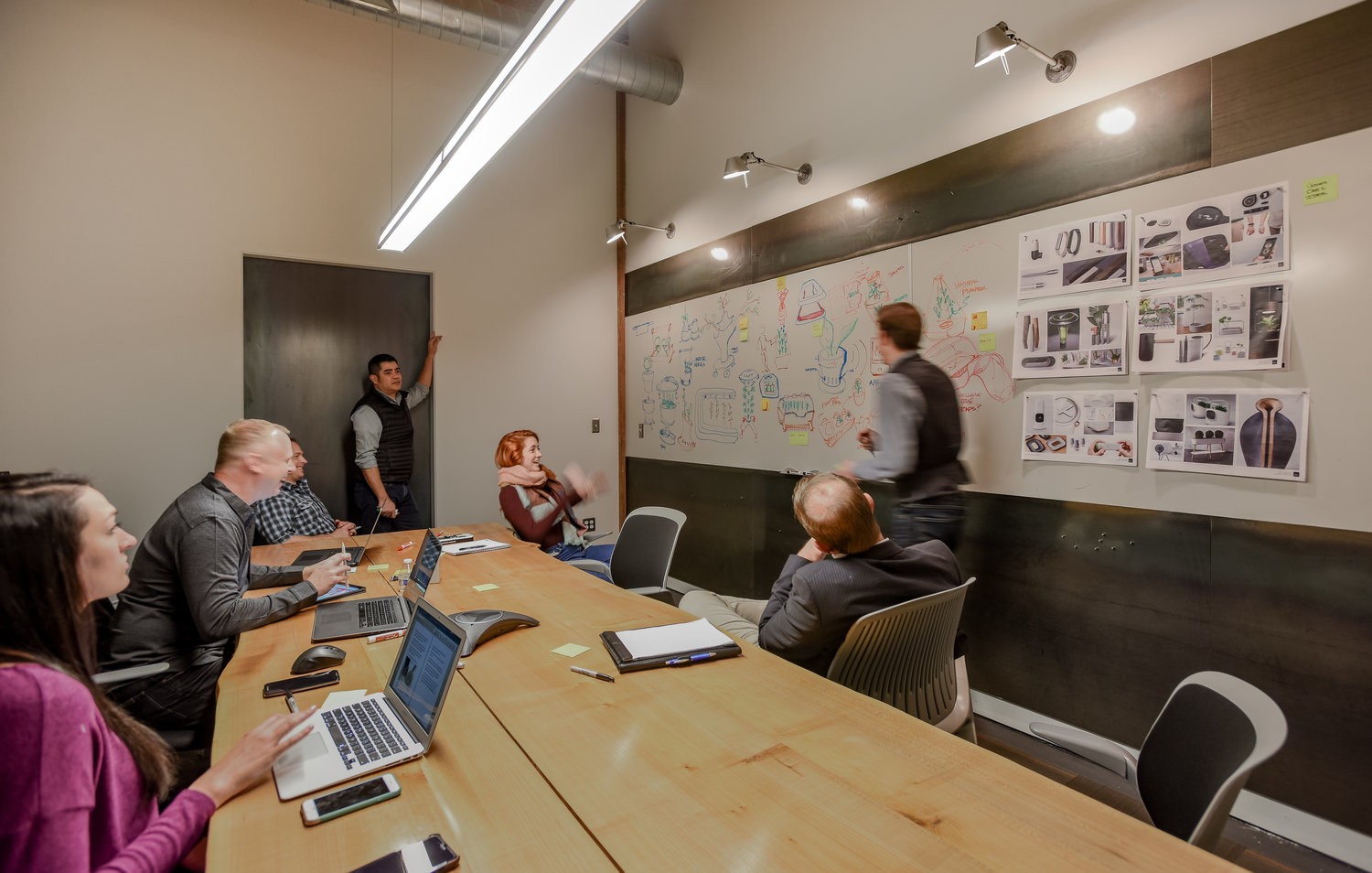
  • Cross-Disciplinary Teams: Modern productions often blur lines between disciplines, blending art, technology, and logistics.

  • Adaptability: Unforeseen challenges—whether supply chain disruptions or last-minute script changes—demand quick thinking and coordination.

Producers, whether in factories or studios, act as conductors, ensuring that all moving parts align harmoniously.

Challenges in the Modern Landscape

The expanding scope of productions brings immense opportunity but also fresh challenges.

Some common obstacles include:

  • Supply Chain Vulnerabilities: Global crises can disrupt the flow of materials, parts, or talent.

  • Rising Costs: Inflation, energy costs, and the push for sustainable practices can squeeze margins.

  • Technological Disruption: New tools and platforms require constant investment in training and infrastructure.

  • Audience Fragmentation: In entertainment, ever-diversifying platforms mean producers must work harder to capture and keep attention.

Producers who navigate these complexities successfully tend to embrace innovation while staying rooted in the fundamentals of craft and care.

The Cultural Impact of Productions

Beyond economics, productions shape culture. They determine what goods are available, what stories are told, and how communities connect.

  • Manufactured Goods: Everyday products—from smartphones to electric vehicles—alter how we work, communicate, and travel.

  • Film and Music: Creative productions influence identity, dialogue, and collective memory.

  • Events and Experiences: Live performances, exhibitions, and immersive installations bring people together in ways that defy screens and algorithms.

In this sense, productions are not just about outputs. They are about the human impulse to create, share, and push boundaries.

Conclusion: Crafting the Future

Productions, whether industrial or artistic, stand at a fascinating crossroads. They must reconcile speed and scale with sustainability and quality. They must marry automation with the irreplaceable spark of human creativity. And above all, they must remain agile in a world where change is the only constant.

In the years ahead, the producers—those who plan, build, direct, and deliver—will continue to wield quiet yet transformative power. By mastering both the science and the art of bringing ideas to life, they will shape the contours of our daily lives and our collective future, one production at a time.

What is your reaction?

Excited
0
Happy
0
In Love
0
Not Sure
0
Silly
0

You may also like

Comments are closed.

More in:Productions