 By Jabari Zion
When employees begin to lose motivation or feel disengaged from their roles, it can create major barriers to a company’s ability to scale and stay ahead in a competitive marketplace. Recurring issues—like negative workplace dynamics, low compensation, high workloads, and ongoing stress—can quietly chip away at productivity and profitability. If unresolved, these problems often lead to morale dips, operational inefficiencies, and fewer paths for employee advancement.
To meet these challenges head-on, companies must foster a workplace culture centered on inclusion, recognition, and reliable support for their people. In today’s shifting talent landscape, prioritizing employee well-being has become a strategic necessity rather than a bonus. Increasingly, organizations are realizing that when employees feel truly valued and supported, retention, engagement, and overall performance naturally improve.
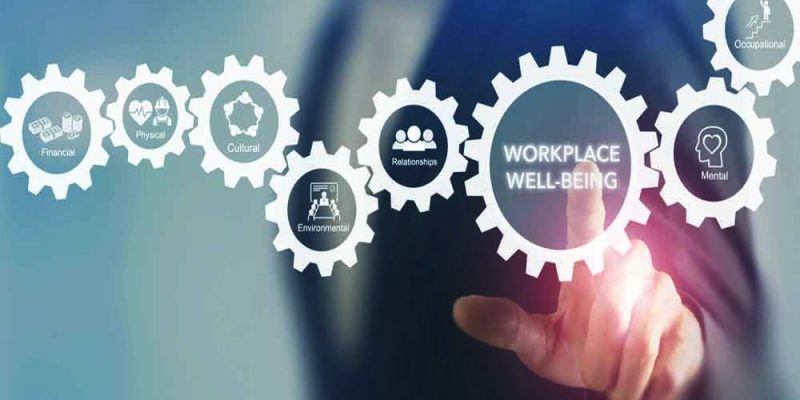
Industry leaders often take a whole-person approach to wellness—considering mental health, financial security, workplace relationships, and alignment with company values. This kind of well-rounded investment helps build trust, minimize turnover, and strengthen employee loyalty.
A crucial step in bringing these efforts to life is forming a partnership with an HR PEO. These professional employer organizations work directly with leadership to develop customized wellness initiatives, refine benefits programs, and align internal HR policies with both business goals and workforce expectations. Their involvement plays a vital role in elevating morale, improving team synergy, and fostering a more cohesive, productive work environment.
Placing employee wellness at the forefront delivers lasting results. Offering access to mental health care, skill-building resources, and flexible scheduling options allows team members to feel both supported and empowered. These initiatives often lead to greater collaboration, creative thinking, and enhanced organizational resilience.
Ongoing research continues to highlight the powerful connection between strong wellness programs and improved business outcomes—from better retention and satisfaction to a more dedicated and energized workforce. When employees know their well-being is a true priority, they’re more likely to stay committed and contribute at their highest level.
Building a people-first organization takes consistent effort and a long-term mindset. Programs such as Employee Assistance Plans (EAPs), wellness-focused events, and flexible scheduling can deliver meaningful change. Additionally, rethinking pay structures, expanding benefit offerings, and enabling remote or hybrid work options can help businesses stay adaptable and competitive.
Explore the infographic below for actionable insights on cultivating a thriving, forward-focused workforce.