 By Jabari Zion
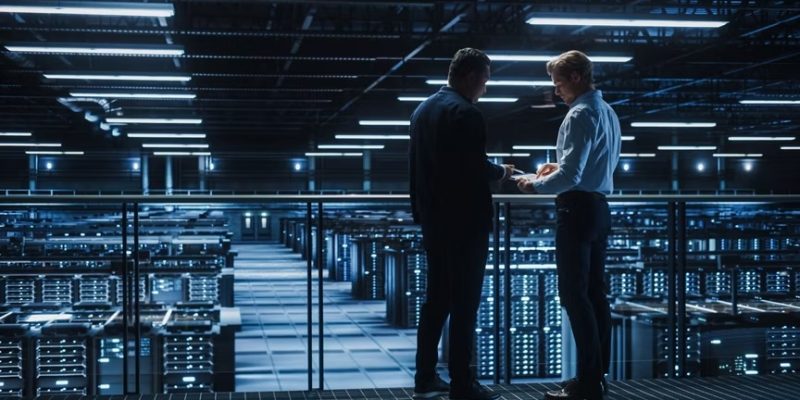
Data centers form the foundation of the modern digital landscape, enabling cloud computing, artificial intelligence, enterprise systems, and everyday online activity. As demand for computing capacity continues to rise, the infrastructure supporting these facilities must keep pace. However, in many regions, a growing disconnect exists between the needs of advanced compute technologies and the capabilities of physical infrastructure. This gap is influencing timelines, operational performance, and future expansion across the sector.
A primary challenge is the speed of infrastructure readiness. Developing a data center involves far more than installing IT equipment. It requires coordinated planning across electrical systems, backup power, cooling solutions, and structural design. Utility upgrades and power interconnections must be completed before full operations can begin. In many markets, these steps require significant time and coordination with local providers, creating delays where computing systems are ready but the supporting infrastructure is not.
Space planning is another critical consideration. Data centers depend on carefully designed layouts that optimize airflow, power distribution, and room for future growth. When space is limited or constrained by existing structures, it can restrict how new equipment is deployed. This challenge becomes even greater as higher-density computing is introduced. Engineers must balance increased rack density with effective cooling and accessibility. These decisions are essential for maintaining uptime and avoiding expensive modifications later.
Cooling infrastructure is also under increasing strain. As computing density rises, traditional cooling methods are reaching their limits. Managing heat effectively is vital for maintaining system performance and protecting equipment. New approaches, such as advanced heat exchanger coils and liquid-based cooling systems, are helping facilities handle higher thermal demands. These solutions are designed to deliver reliable performance while remaining adaptable for future needs.
The impact of the infrastructure gap extends beyond technical considerations. Delays in infrastructure readiness can slow project delivery, increase costs, and reduce competitiveness in markets where speed is critical. To address this, developers are placing greater emphasis on integrating scalable infrastructure early in the planning process. This helps ensure that physical systems can keep up with the rapid growth of compute demand.
Closing this gap requires thoughtful planning, strong collaboration with utilities and partners, and continued investment in flexible power and cooling solutions. Organizations that successfully align infrastructure with evolving compute requirements will be better positioned to succeed in a fast-changing environment defined by rising performance expectations.
For further insight into the infrastructure gap slowing data center growth, explore the accompanying materials below.